Alcohol intolerance occurs when the body lacks enzymes to break down alcohol, causing facial flushing, nausea, and rapid heartbeat. Additionally, certain medical conditions, such as liver disease or gastrointestinal disorders, will make individuals more susceptible to alcohol intolerance. This http://www.lincolnelevator.com.cn/why-is-alcoholism-considered-a-chronic-disease/ specific disorder arises from an issue with the enzyme responsible for metabolizing alcohol (ALDH2). When people with alcohol intolerance consume even small amounts of alcohol (ethanol), they experience adverse reactions. Symptoms appear within minutes of drinking and include facial flushing, nausea, rapid heartbeat, headache, and nasal congestion. These signs are mistaken for alcohol allergies but actually indicate difficulty metabolizing alcohol.
The Recovery Village Cherry Hill at Cooper
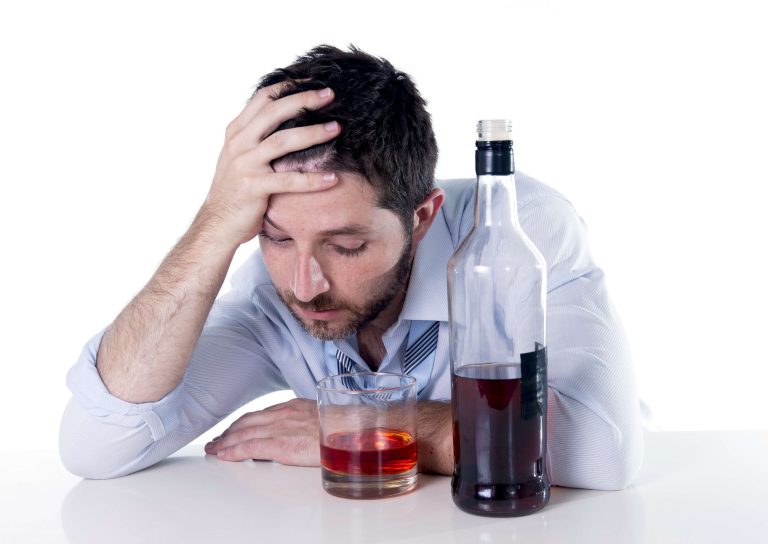
If someone has a true allergy to alcohol, they should avoid the heroin addiction substance entirely. People with alcohol intolerance could still consume alcohol, although they will likely experience side effects. Avoid the beverage or beverages that seem to cause your reaction until your doctor’s appointment. If you do drink a beverage that causes a mild reaction, over-the-counter antihistamines may help relieve symptoms.

Charitable Care & Financial Assistance
What we understand as a ‘hangover’ is made up of a particular set of symptoms – usually a thumping headache, nausea, intense thirst, tiredness and brain fog. This is all happens as a result of drinking alcohol, or more specifically, the series of bodily processes it sets in motion. Do you suffer from terrible hangovers or feel unwell after drinking just a small amount of alcohol?
Differences from Alcohol Allergy
- However, if you’re allergic to an ingredient found in certain alcoholic drinks, dishes which contain that drink are not safe to eat.
- Sometimes the intolerance is temporary, and you can eventually go back to eating foods that you’d been avoiding.
- An allergy or intolerance to alcohol is not always responsible for symptoms occurring after drinking alcohol.
Alcohol intolerances are usually genetic but may also occur without a known cause. This article looks at the links between alcohol and sickness and provides an overview of alcohol intolerance, including the signs, when to consult a doctor, and causes. Finally, it examines how alcohol tolerance changes over time and offers support and guidance on alcohol use. Some people may be unable to drink alcohol without experiencing immediate feelings of sickness, or they may develop this over time after a prolonged period of drinking. Consult a healthcare provider before starting enzyme supplements to determine the appropriate dosage and ensure safety and efficacy. In 2021, according to a Gallup poll, the proportion of U.S. adults partaking in alcoholic beverages decreased to 60% from 65% in 2019.
- Different alcoholic beverages contain varying compounds that might trigger reactions.
- Alcohol intolerance is a genetic metabolic disorder, specifically a digestive system disorder.
- Alcohol intolerance is most common in individuals of East Asian descent due to a genetic mutation affecting the ALDH2 enzyme, though it can occur in other populations as well.
- Beverages with higher alcohol content or those containing congeners (impurities produced during fermentation) tend to provoke more intense symptoms.
- At the first signs and symptoms of a severe allergic reaction, it’s essential to use epinephrine and go to the nearest emergency department for immediate follow-up care.
Genetic Testing:
It’s crucial to understand these differences for proper diagnosis and treatment. Antihistamines, such as diphenhydramine (25–50 mg every 4–6 hours for adults), can alleviate mild reactions like itching or hives, but they are not a what is alcohol intolerance substitute for avoidance. For gastrointestinal symptoms like nausea or diarrhea, over-the-counter remedies like loperamide (4 mg initially, followed by 2 mg after each loose stool) can provide relief.